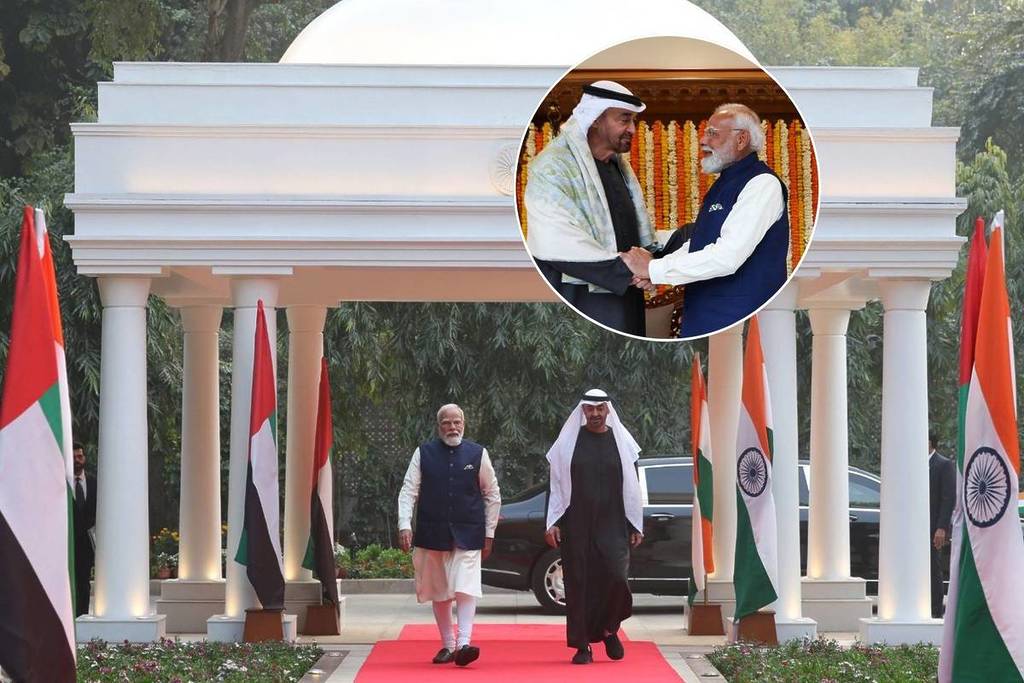
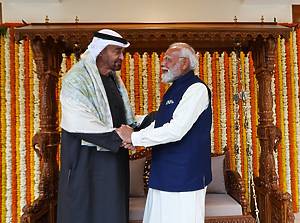
Abu Dhabi is adding another cultural milestone to its landscape with the House of India, a centre presenting India’s history, arts and cultural traditions. Official discussions between UAE President Sheikh Mohamed bin Zayed Al Nahyan and Indian Prime Minister Narendra Modi, in New Delhi, confirm the project.
Welcomed at the Palam Air Base in New Delhi, Sheikh Mohamed started his visit to India on January 19. The visit will be a new chapter in their cultural and diplomatic ties. The House of India will be one step further in this movement.
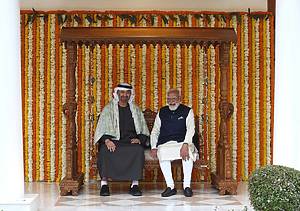
Officials have described it as a long-term initiative that will include exhibition areas and programming focused on India’s civilisational journey and social traditions. For Abu Dhabi, the centre aligns with its approach to cultural development rooted in education, open access and international exchange.
Built on strong roots
India and the UAE share a relationship that goes back centuries, with trade routes and migration across the Indian Ocean. These ties influence daily life in the Emirates, particularly through the Indian community, which is the country’s largest and most established expatriate groups.
Over the years, community institutions in Abu Dhabi played a central role in shaping cultural activity, with festivals, performances, language learning, and public events. The House of India is going to offer a national-level platform with historical and regional context.
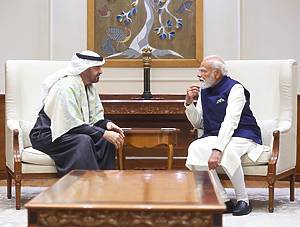
Official statements suggest the centre will focus on interpretation, using exhibitions and curated programmes. The aim is to show how Indian culture has evolved and reach a wide audience (residents, students and visitors). However, the UAE and India do not want the space to be exclusive or ceremonial.
Culture in international relations
The announcement reflects a wider shift in India-UAE relations. In recent years, both governments have invested in heritage preservation and education, recognising the role of culture long-term.
In Abu Dhabi, the House of India will join a network of institutions that present global histories through a multicultural lens. Indian history, within this environment, is ideal for an international audience, perhaps even a tourism boost for both countries.
The project is also expected to support educational outreach with workshops, lectures and youth-focused programmes potentially being on its activity list.
Adding to Abu Dhabi’s cultural map
The location, architecture and opening timeline details are not revealed to the public. Still, the announcement itself shows long-term cultural cooperation between the two countries.
For Abu Dhabi, the House of India reinforces its role as a city that hosts cultural institutions with international presence. For India, it provides a dedicated space to present its heritage through research and public programming.
As plans progress, the success of House of India is resting on its relevance to the people. It relies on ongoing conversations between two countries that have long been connected by their people.